

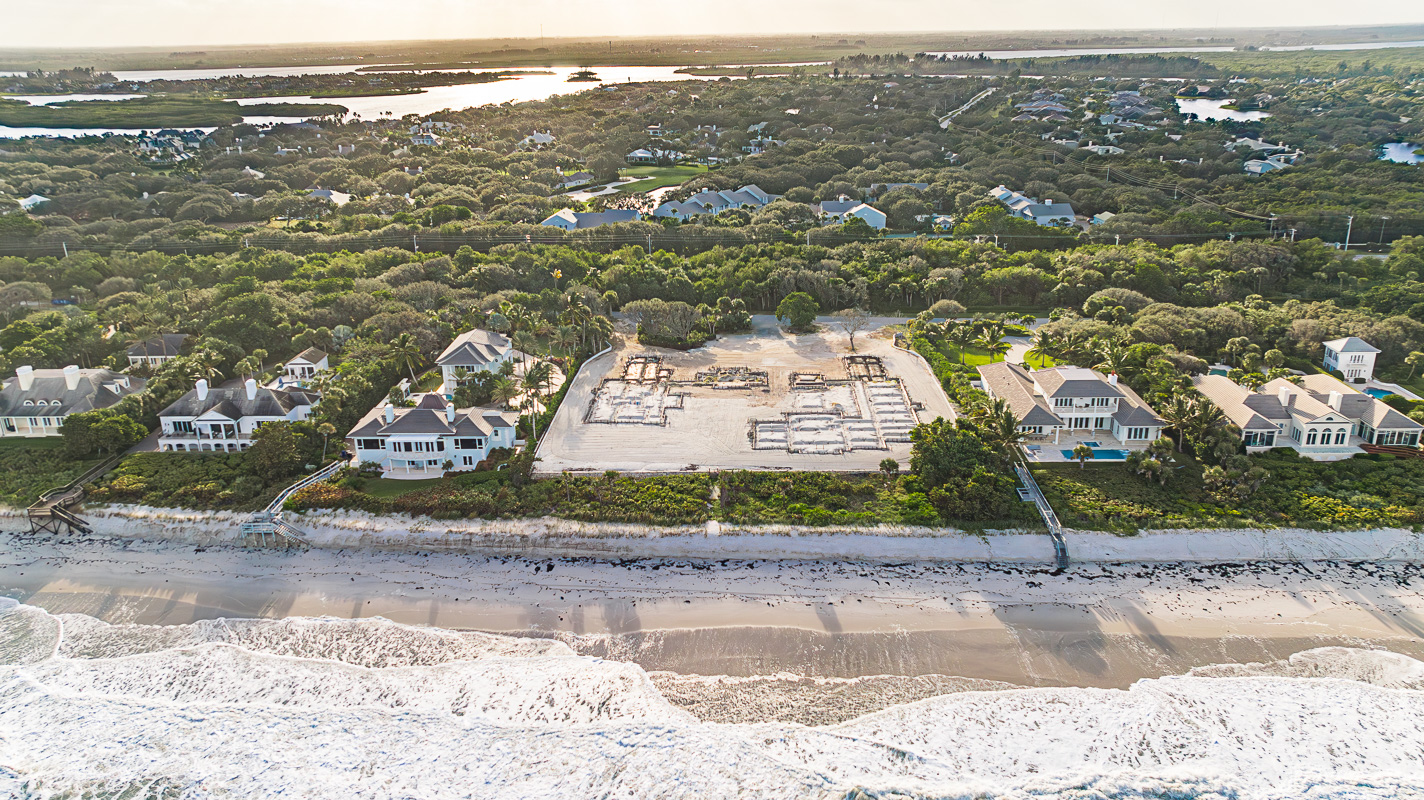
Exploring the Island Property Market: Trends, Opportunities, and Growth
The island property market has become a focal point for investors seeking unique investment opportunities. With increasing interest in remote living and natural landscapes, islands offer unmatched appeal for those looking to escape the urban environment. Whether for personal retreats, vacation rentals, or permanent residences, the demand for island properties is seeing a noticeable surge. For detailed insights and analyses, island property market read more about how the market is evolving and what potential buyers should consider.
The Allure of Island Living
Islands often evoke images of paradise: crystal-clear waters, pristine beaches, and lush tropical landscapes. These enchanting qualities make them highly desirable for potential buyers. The idea of escaping the hustle and bustle of city life to enjoy a more relaxed pace has fueled interest in island properties across the globe. Furthermore, islands tend to foster strong communities, enhancing the living experience.
Market Trends and Insights
The island property market is influenced by various factors, including economic conditions, tourism trends, and global interest in real estate. Recently, we’ve seen a dramatic increase in demand for island properties, with buyers from various parts of the world seeking secluded homes for vacations, year-round living, or investment purposes.
Particularly in locations like the Caribbean, Southeast Asia, and the South Pacific, the growth in remote work has allowed buyers to consider properties in these idyllic settings without the constraints tied to their previous work locations. As a result, this newfound flexibility has led many to reconsider where they want to live, driving up property prices in some areas while still offering great value in others.
Opportunities for Investors
For investors, the island property market presents rich opportunities. Islands often feature distinct real estate markets influenced by unique local regulations, customs, and land use patterns. Understanding these nuances is vital for anyone looking to invest. Here are some considerations:
- Tourism Growth: Many islands thrive on tourism. Properties in areas with booming tourism can yield lucrative short-term rental income. Investors should analyze local tourism statistics and future developments that could impact visitor numbers.
- Unique Property Types: Islands often feature unique styles of properties, including beachfront bungalows, luxury villas, or rustic cabins. Each property type can cater to different market segments, from luxury buyers to eco-tourists. Having a diverse portfolio can spread risk and increase returns.
- Tax Incentives: Some islands offer tax incentives to attract foreign investors. Researching local tax policies can provide advantageous opportunities for investors looking to maximize profitability.
Challenges in the Island Property Market
While there are numerous opportunities, potential buyers and investors also face challenges in the island property market. These include:
- Access and Infrastructure: Many islands have limited access, which can complicate purchasing or developing property. Infrastructure such as roads, airports, and utilities can vary greatly, impacting property value and usability.
- Environmental Regulations: Given the fragile ecosystems of many islands, environmental regulations can be stringent. Understanding local laws regarding construction, land use, and environmental protection is crucial for ensuring compliance and protecting investment.
- Market Volatility: Island property markets can be more volatile than mainland markets. Economic downturns or natural disasters can severely affect property values, making thorough research and market analysis essential.
Future of Island Properties
Looking ahead, the future of the island property market appears promising, particularly as global travel rebounds post-pandemic. The trends towards remote work, wellness living, and sustainable practices are likely to drive further interest and investment in island properties.
Developments in technology, such as improved telecommunication networks, are also making remote living more viable. Many islands are investing in infrastructure that supports not just tourism but also the needs of permanent residents and remote workers, thereby expanding market potential.
Conclusion
Investing in the island property market can provide a unique blend of lifestyle and financial opportunity. With careful research and consideration of market trends and challenges, buyers can find their slice of paradise as well as sound investment. As the allure of island living continues to grow, understanding the complexities of this niche market will be key to success.
