

A shift is changing in how people across the UK play games online. Gamers are searching for something that stimulates the mind, a step beyond traditional slots or card games. One game has emerged as a understated hit in this space: Turbo Mines Game. It has rapidly gained a loyal following in the UK’s online gambling scene. This title doesn’t rely on flashy graphics. Rather, it presents a basic idea that gauges your nerve and strategic thinking. A increasing amount of users here enjoy this blend of clean design and intellectual challenge. It feels like a fresh change from games based solely on luck. This movement shows a larger trend where the level of interaction counts more than spectacle. The excitement comes from navigating risk, not relying on a random result. It aligns with a wider move in online entertainment, where hands-on decision-making is preferred over passive watching. Turbo Mines is a testament to of these contemporary trends.
Contrasting Turbo Mines to Traditional Casino Games
Stack Turbo Mines Game alongside classic UK casino staples like roulette, blackjack, and slots, and it holds its own unique spot. Unlike slots, in which the RNG controls everything after you spin, Turbo Mines gives an active choice in your hands throughout the round. It lacks the complex rules of blackjack, but it shares that ’stand or hit‘ tension at a much faster speed. Versus roulette, in which you place a bet and watch the wheel, every click in Turbo Mines is a direct decision you make with real consequences. This move from passive spectator to active decision-maker is a fundamental difference. It caters to players who want to feel directly responsible for their wins and losses. It creates a more personal, nerve-wracking, and ultimately more engaging experience.
The contrast reaches to social and atmospheric elements. Traditional casino games often feed off the energy of a shared table or the immersive theme of a slot machine. Turbo Mines is different. It’s an intensely personal, focused duel between you and probability. It creates a suspense that is internally focused, not driven by outside stimulation. In terms of skill, blackjack entails measurable strategy through basic theory. Turbo Mines exchanges that for psychological endurance. Your success depends less on knowing a chart and more on knowing your own limits. This makes victories feel uniquely personal. Losses prompt self-reflection instead of blame on a dealer or a machine. The game modernises the casino ethos. It removes the velvet and neon to present the bare bones of risk and reward in a format made for the digital age.
The Fundamental Mechanics of the Turbo Mines Game
Turbo Mines Game is based on probability and pressure. You look at a grid, normally 5×5 squares, concealing a fixed number of mines. Your goal is clear. Click squares to reveal gemstones. Each safe reveal adds to a growing cash prize. The catch is you have to pick when to stop and claim your money. If you hit a mine, the round ends and you forfeit the potential win. This ‚push-your-luck‘ essence of the game needs no intricate rules or bonus rounds. It is a simple, nerve-wracking choice you face with each click. This sleek design is a big part of its charm. It’s simple to grasp, yet it holds your attention. Players from Bristol to Birmingham can dive in, focusing only on balancing risk against reward. The interface backs this up. It presents the current multiplier, total mines, and safe spaces left in clear numbers. You have all the information you need for that key decision, lacking any visual noise.
The ‚Turbo‘ part of the name matters. Rounds are swift, sometimes over in seconds. This decreases your decision time and increases the adrenaline. It feels different from slower strategy games, mixing quick action with measured choice. The mines are set randomly every new game, so no two rounds are the same. You cannot memorise a pattern. You have to consider the odds fresh each time. That central loop—reveal, assess, decide—is endlessly repeatable. It’s a clever digital version of risk management that attracts an analytical mind. The satisfaction doesn’t come from unlocking a new level. It arises from judging your own limits accurately and being paid for that decision.
What makes the UK Public is Taking to This Style
The UK gaming sector is developed and demanding. Players have watched many fads appear and fall. The adoption of Turbo Mines Game here is significant. British players tend to prefer games that offer them a impression of agency and expertise, alongside fun. The structure clicks with a national affection for challenges and tactics. It provides a logical fulfillment comparable to a crossword puzzle, or the tactical anticipation of chess, just in a faster, more compact package. Also, the game’s clean style and rapid sessions appeal to players looking for a absorbing interlude during a commute or a peaceful evening. It provides a mental workout that seems distinct from static TV or sheer luck-based games. This fits with a cultural taste for ingenious, restrained styling. You may observe this inclination in the ongoing popularity of pub competitions, strategy board games, and puzzle journals all over the nation.
The game spans age groups. It appeals to older players who recall the classic computer game Minesweeper, presenting a updated, monetized interpretation on that concept. At the same time, it attracts a younger group used to fast mobile games and the distinct feedback cycles of social apps. The low hurdle to entry is essential. Anyone can understand the objective in seconds. But perfecting the emotional management needed for reliable triumph is a lengthier path. This provides it wide allure. The UK’s widespread fast web and high smartphone adoption make it simple to enjoy on any device, fitting sessions into the spaces of the schedule. The game values your time and intelligence. It provides a full narrative—tension, high point, and resolution—in a short time or less. That matches modern attention durations and the desire for compact, satisfying amusement.
The outlook for Skill-Based Gaming within the UK
The emergence of Turbo Mines Game across the UK indicates a greater future for skill-influenced gaming formats. A generation raised on strategic video games is coming of age. Their demands for interactivity and agency are naturally moving into the iGaming world. We will likely see more games that merge chance with meaningful player decisions. These titles will occupy the spectrum between pure gambling and pure skill. Turbo Mines serves as a successful proof of concept. It shows there’s a real audience for this hybrid model. Its growth hints that UK developers and operators are likely to innovate more in this area. They might add more complex variables or even multiplayer competitive features. The core appeal will stay the same: offering a cerebral challenge that respects the player’s intelligence. This will ensure a lasting place for thoughtful gaming in the UK’s digital landscape.

What may future versions resemble? We may see live leaderboards for tournaments, where UK players challenge each other for top prizes based on the highest multiplier achieved. Games may feature dynamic grids where the mine count shifts mid-round. Perhaps ‚power-up‘ squares could appear, offering temporary advantages and adding new tactical layers. Regulation will also impact what comes next. The UKGC persists in examining how skill elements are defined and promoted. This may lead to clearer categorisation and maybe new licensing frameworks for mixed games. In the end, the success of Turbo Mines has proven a demand for games that engage the mind. It clears the path for a more diverse and sophisticated UK iGaming market. Here, the thrill of the gamble combines effortlessly with the satisfaction of strategic mastery. This guarantees it won’t be a passing fad, but a foundational part of contemporary online play.
Turbo Mines under the scope of UK Gambling Guidelines
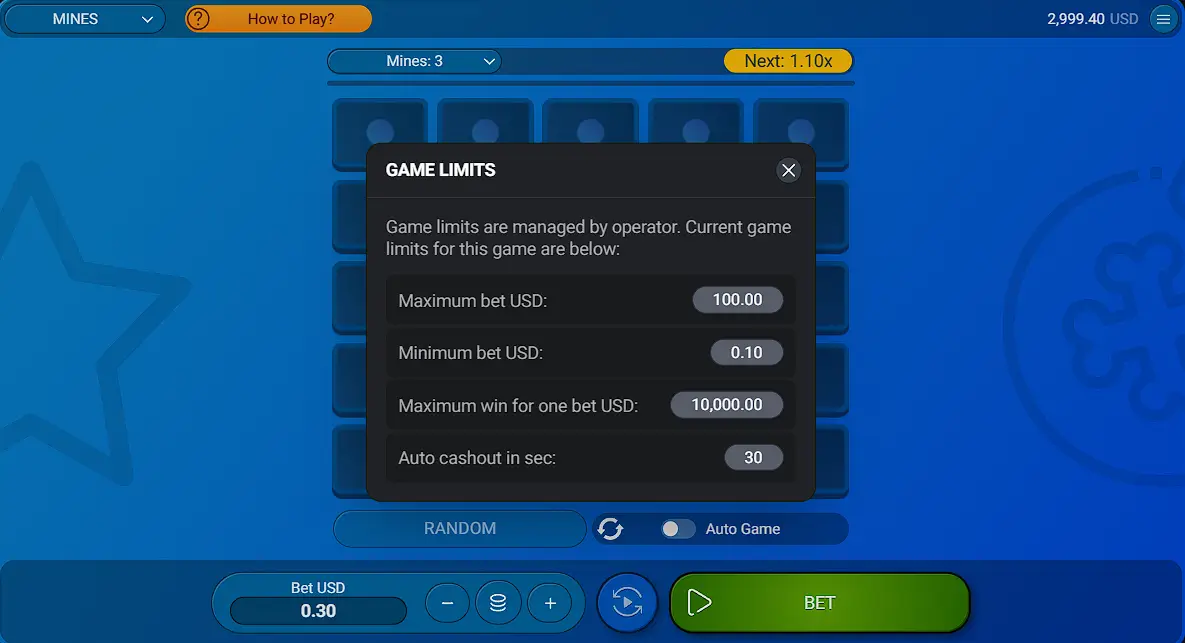
Any real-money gaming in the UK follows the stringent guidelines of the UK Gambling Commission. For Turbo Mines to be accessible here, it must be provided by operators with a valid UKGC licence. This ensures standards for user safety, fairness, and safe betting are met. This oversight framework gives UK players a deep feeling of safety and reliability. The game’s own openness helps. The number of bombs is always stated, and the Random Number Generator (RNG) behind the results is tested and certified. This fits nicely with the UK’s emphasis on fairness. Players in London, Manchester, or Glasgow can play knowing the game is fairly random and the provider is accountable. This solid base is crucial for a game whose allure depends on faith in its design.
These rules force operators to show clear Return to Player (RTP) rates. For Turbo Mines-variety games, these are usually clear and derived from the published trap chance. Regulated operators must also connect to national voluntary bans like GAMSTOP. They have to offer visible options for spending limits, session breaks, and awareness alerts. This regulatory framework is crucial for ensuring the game a controlled form of amusement. The UKGC’s work to minimize damage means features like quick, unlimited play get attention. Ethical platforms often add settings that let players limit their sessions. As a result, the UK player encounters Turbo Mines inside one of the world’s most safeguarded frameworks. This actually boosts its attractiveness by making it a authentic, equitable, and regulated type of strategic gaming. It distinguishes itself from unlicensed venues where player safeguards are nowhere to be found.
Tactical Complexity Beneath Simple Rules
You can master the rules of game turbo mines in seconds. But performing well over time demands developing your own strategy. This is where the game engages its dedicated fans. Some take a conservative path, cashing out after just a few safe reveals to secure steady, small gains. Others explore the odds, watching the shrinking field of safe squares and assessing when the risk gets too high. Since mine positions are random every round, you can’t rely on memory. Your strategy is really about managing your bankroll and controlling your emotions. This turns each session into a psychological profile, where your own risk tolerance is the main opponent. The potential for strategic nuance inside a simple framework is what keeps the UK’s tactical gamers coming back.
Experienced players create their own systems. Some employ a „fixed multiplier“ strategy, always cashing out at a set point, like 5x or 10x, to impose discipline. Others adjust their initial stake based on recent results to manage their overall balance. The psychological fight is everything. The urge to click ‚one more square‘ after a run of wins can shatter even the best plan. It teaches lessons in emotional regulation. This reflects real-world decision-making under uncertainty, offering a safe space to evaluate your risk profile. The game also requires adaptation. A grid with 3 mines demands a completely different approach than one with 10. You have to readjust your strategy instantly. This kind of dynamic complexity, emerging from such basic rules, is a sign of great game design. It’s a major reason for its lasting hold on thoughtful players.